
TLDR
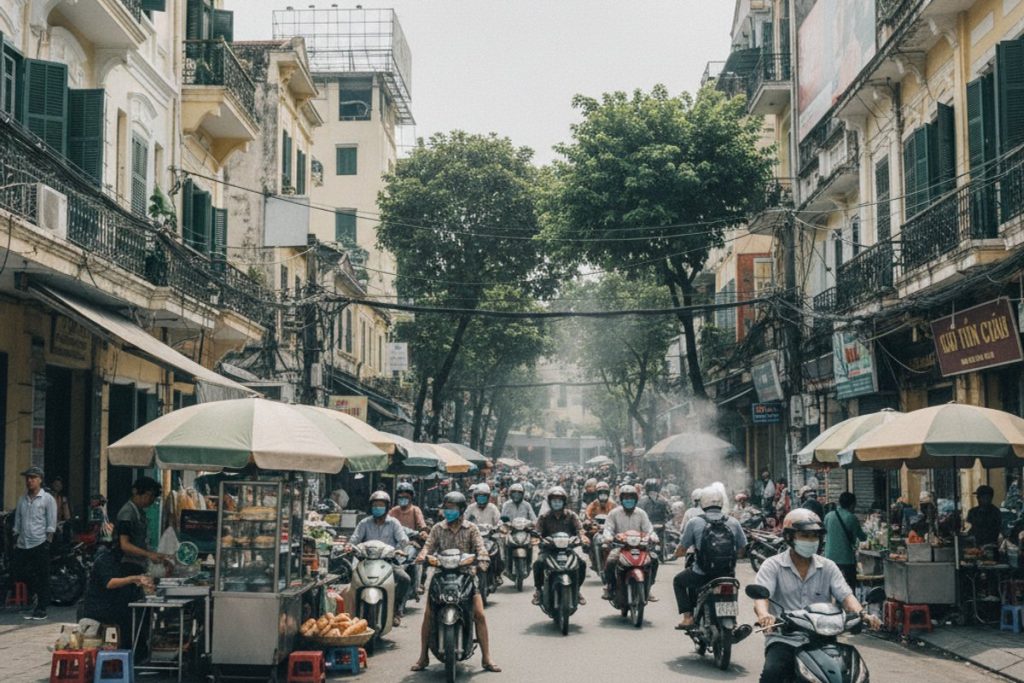
Ho Chi Minh City has enough to fill a week without repeating anything. The War Remnants Museum is the most impactful sight in the city (40,000 VND entry). The Reunification Palace tells the story of how the war ended. Ben Thanh Market is the tourist market; Cho Lon in District 5 is the real one. Coffee culture here is serious – sit at a sidewalk stall with a ca phe sua da and watch the city flow past. Rooftop bars offer skyline views. Day trips to Cu Chi Tunnels and the Mekong Delta are within reach. This guide covers what’s worth your time and what you can skip.
Insider Tip
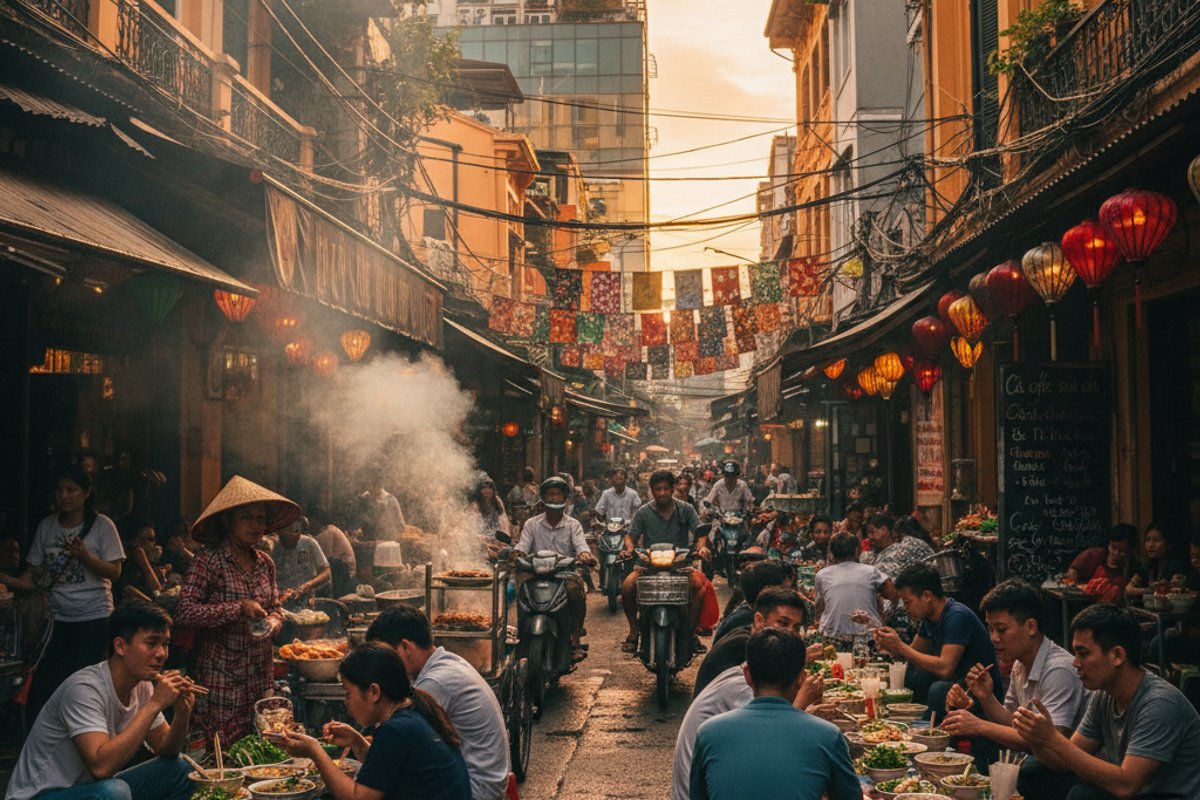
Don’t try to cram everything into one day. Pick 2-3 things, leave time for wandering and eating, and you’ll enjoy Saigon far more than ticking off a checklist. The best moments in this city happen between the planned ones.
Planning your stay? Check current rates at Beauty House – a District 1 base within walking distance of most sights on this list.
Museums and Historical Sights

The War Remnants Museum is the single most powerful thing you’ll do in Saigon. It documents the Vietnam War (called the American War here) through photographs, equipment, and exhibits on Agent Orange and unexploded ordnance. Entry is 40,000 VND. Allow at least 2 hours. The third floor, with its photojournalism collection, is devastating and essential. Don’t skip it because the topic is heavy – this context changes how you experience the rest of the city.
The Reunification Palace (also called Independence Palace) costs 65,000 VND and is where the Vietnam War effectively ended when a North Vietnamese tank crashed through the gates in April 1975. The building is a 1960s time capsule – the president’s quarters, the war room with original maps, and the basement telecommunications center are all preserved. It’s a 30-minute walk from the War Remnants Museum.
The Fine Arts Museum of Ho Chi Minh City on Pho Duc Chinh Street is 30,000 VND and often overlooked. The colonial building alone is worth the visit – yellow facade, tile floors, sweeping staircases. The collection includes Vietnamese lacquer paintings, contemporary art, and war-era propaganda posters. Allow 1 hour.
The Ho Chi Minh City Museum on Ly Tu Trong Street (30,000 VND) covers the city’s history from pre-colonial times through the war. The building – a former colonial-era governor’s residence – has underground tunnels that were used during the war. Less visited than the War Remnants Museum, which means you’ll have rooms to yourself.
Markets and Shopping
Ben Thanh Market is the iconic tourist market in the center of District 1. It sells everything from lacquerware and silk to counterfeit handbags and dried fruit. Prices are inflated – start your haggling at 30-40% of the asking price. The food stalls inside serve decent Vietnamese food at tourist prices (50,000-80,000 VND per dish). The night market that surrounds it after 6 PM is better for atmosphere and grilled seafood.
For the real market experience, take a Grab to Binh Tay Market in Cho Lon (District 5), about 15 minutes from District 1 (30,000-50,000 VND). This is the wholesale market where Saigon’s traders buy their stock. The building is beautiful – recently renovated with its original architecture intact. Prices are lower and the energy is entirely local.
Tan Dinh Market in District 3 is the pink church market – worth visiting for the striking pink Tan Dinh Church (free, on Hai Ba Trung Street) and the surrounding food stalls. Less touristy than Ben Thanh with better food prices.
For modern shopping, Saigon Centre and Takashimaya on Le Loi Street in District 1 have international brands and a good basement food court. Vincom Center on Dong Khoi is the other option. Air conditioning alone makes these worthwhile on a 35°C afternoon.
“Great location and a really practical base for exploring the area. We could get to everything we wanted to see without any hassle. The neighbourhood felt safe and had plenty of places to eat nearby.”

Coffee Culture – Take It Seriously
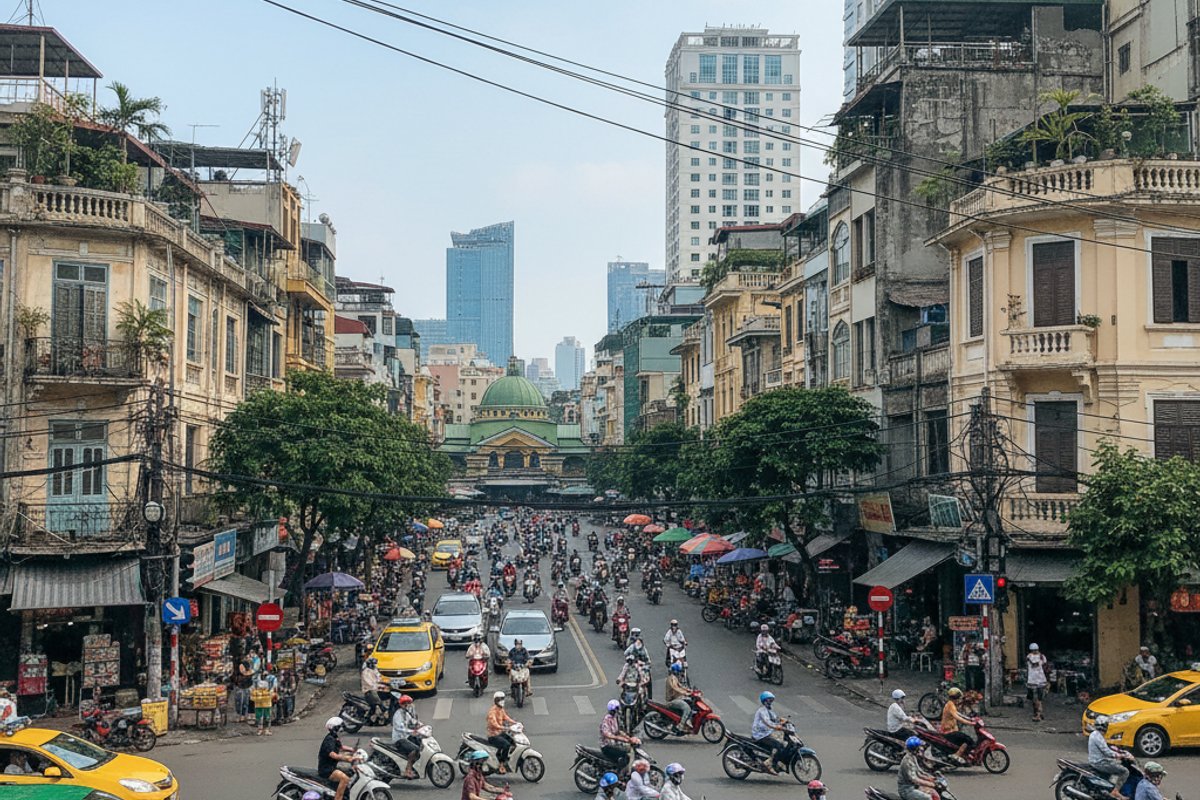

Vietnam is the world’s second-largest coffee producer, and Saigon takes its coffee personally. Ca phe sua da (iced coffee with condensed milk) is the national drink. It’s brewed through a metal filter (phin) directly into a glass over ice and condensed milk. It’s strong, sweet, and takes about 5 minutes to drip – the wait is part of the experience.
A ca phe sua da at a sidewalk stall costs 15,000-25,000 VND. At a trendy cafe, 45,000-75,000 VND. The quality difference is small; you’re paying for air conditioning and atmosphere.
The Cafe Apartment building at 42 Nguyen Hue in District 1 is an old residential block converted into dozens of independent cafes, each in a different apartment. Walk up the stairs (or take the tiny elevator), pick a floor, and find a window seat overlooking the walking street. Entry to the building costs a small fee (3,000 VND) charged at the ground floor.
For specialty coffee, Workshop Coffee on Ngo Duc Ke Street does single-origin Vietnamese beans brewed properly. It’s priced for the specialty market (60,000-90,000 VND) but the quality matches. The Loft in District 1 is another good option with a more local crowd.
Egg coffee (ca phe trung) originated in Hanoi but you’ll find it in Saigon too – beaten egg yolks whipped with condensed milk and coffee. It’s like a warm coffee custard. Try it once. Most coffee shops charge 35,000-55,000 VND for it.
Rooftop Bars and Nightlife
Saigon has a rooftop bar scene that punches above its weight. The views over the lit-up skyline are impressive, and prices – while more than street level – are a fraction of what you’d pay in Bangkok or Singapore.
Saigon Saigon Bar on the rooftop of the Caravelle Hotel on Dong Khoi Street is the classic – it was a journalist hangout during the war and still has the best central views. Cocktails run 180,000-250,000 VND. Chill Skybar on the 26th floor of the AB Tower offers 360-degree views and plays house music after 9 PM. Cocktails are 200,000-300,000 VND.
For cheaper drinks, the Bui Vien backpacker strip has bars selling draft beer for 10,000-25,000 VND and cocktails for 50,000-80,000 VND. The atmosphere is loud and young. If you want something more relaxed, the bars on Pasteur Street and around the Nguyen Hue area are calmer and only slightly more expensive.
Live music happens at various venues across District 1. Acoustic sets at smaller bars, jazz at Carmen Bar on Ly Tu Trong Street, and electronic music at District 2 venues in Thu Duc. Check what’s on that week – the scene rotates.
Cho Lon (Chinatown) – A Half-Day Trip Within the City
District 5’s Chinatown is worth a dedicated visit. It’s 15 minutes by Grab from District 1 (30,000-50,000 VND) and feels like a different city. The Chinese-Vietnamese community here has been established for centuries, and the temples, food, and market culture reflect that history.
Thien Hau Temple is the star – a Chinese temple dedicated to the sea goddess with ornate ceramic sculptures on the roof and massive incense coils hanging from the ceiling. Free entry. Worth 30 minutes of wandering and photographing.
Binh Tay Market is the wholesale market with better prices and more authentic energy than Ben Thanh. The food stalls inside and surrounding the market serve hu tieu (a lighter noodle soup), dim sum, and roast duck at local prices (30,000-60,000 VND per dish).
Walk the streets around Nguyen Trai and Tran Hung Dao for traditional Chinese medicine shops, fabric stores, and small tea houses. It’s a different texture of Saigon that most visitors miss by staying only in District 1.
Temples, Churches, and Quiet Spaces
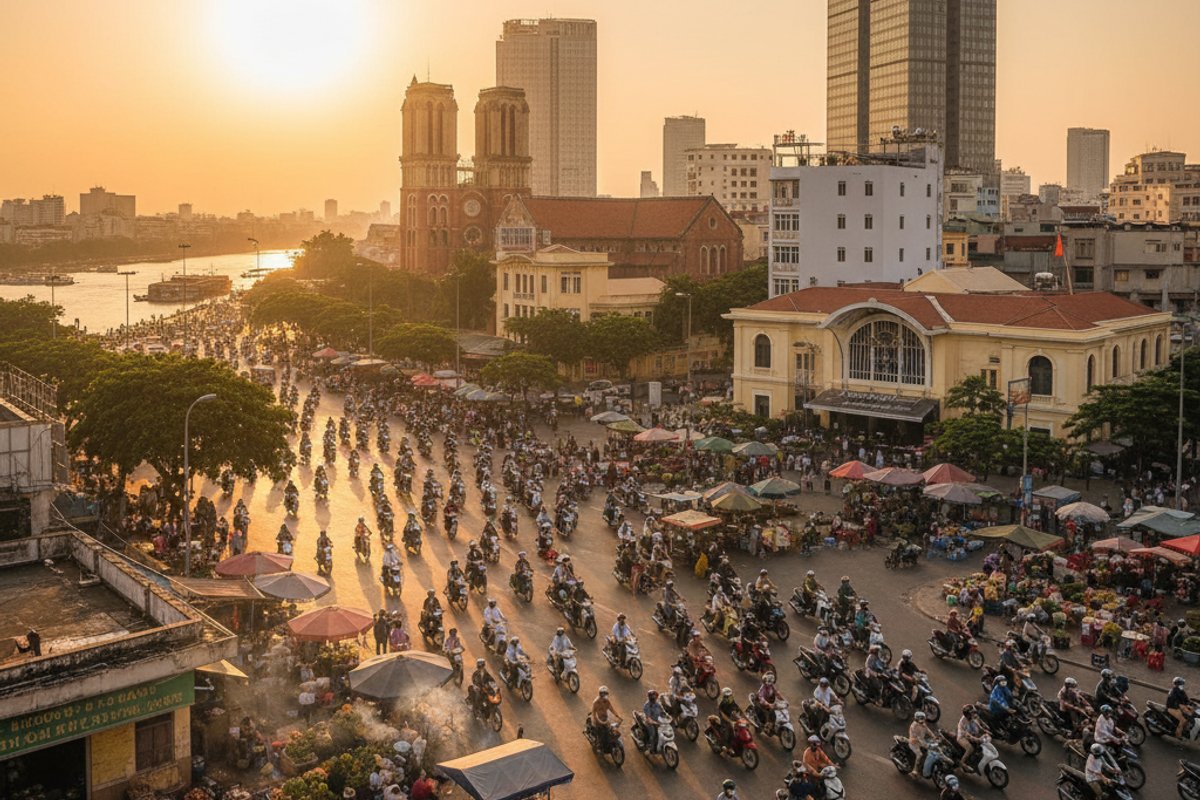
Notre-Dame Cathedral Basilica on Paris Square in District 1 is a French colonial landmark built with materials shipped from France in the 1880s. It’s been under renovation for years but the red-brick exterior is still striking. The square in front is where locals gather for photos and street vendors sell cold drinks.
Directly across the square, the Central Post Office (designed by Gustave Eiffel’s firm) is free to enter. The interior – with its vaulted ceiling, old maps, and Ho Chi Minh portrait – is beautiful and worth 15 minutes.
The Jade Emperor Pagoda in District 3 is the most atmospheric temple in the city. Dense with incense smoke, carved wooden panels, and ceramic figures depicting Buddhist and Taoist deities. Free entry. Significantly less crowded than the District 1 sights.
For quiet green space, Tao Dan Park in District 1 is where locals do tai chi at dawn, walk their songbirds, and play badminton. Early morning (6-7 AM) is the best time to visit. It’s one of the few places in central Saigon that feels peaceful.
Day Trips Worth Your Time
Cu Chi Tunnels (half day, 70 km northwest): Vietnam War tunnel network, now open to visitors. Entry about 110,000 VND. Group tours from 200,000-400,000 VND. The most popular day trip and worth doing.
Mekong Delta (full day, 2 hours south): River life, boat rides, coconut groves, fruit orchards. Group tours 300,000-600,000 VND. A completely different pace from the city.
Vung Tau beach (full day, 2-3 hours southeast): The closest beach to Saigon. Hydrofoil from Bach Dang Wharf is 250,000 VND one way, 90 minutes. Cheap seafood and a beach day.
Book day trips from travel agencies on Pham Ngu Lao or De Tham Street in District 1, or ask at Beauty House – the staff can recommend reliable operators.
Check current prices at Beauty House
Beauty House in District 1 – walking distance to museums, markets, coffee, and nightlife.
Check Available RoomsWe may earn a small commission if you book through this link. It doesn’t cost you anything extra.
You might also find these useful: Best Day Trips from Ho Chi Minh, Best Restaurants in Ho Chi Minh: Where to Eat, Best Time to Visit Ho Chi Minh: Month by Month Guide.
See Beauty House for Yourself
Browse All Photos on Booking.com →
This post contains affiliate links. We may earn a commission at no extra cost to you.
Frequently Asked Questions
See Beauty House for Yourself
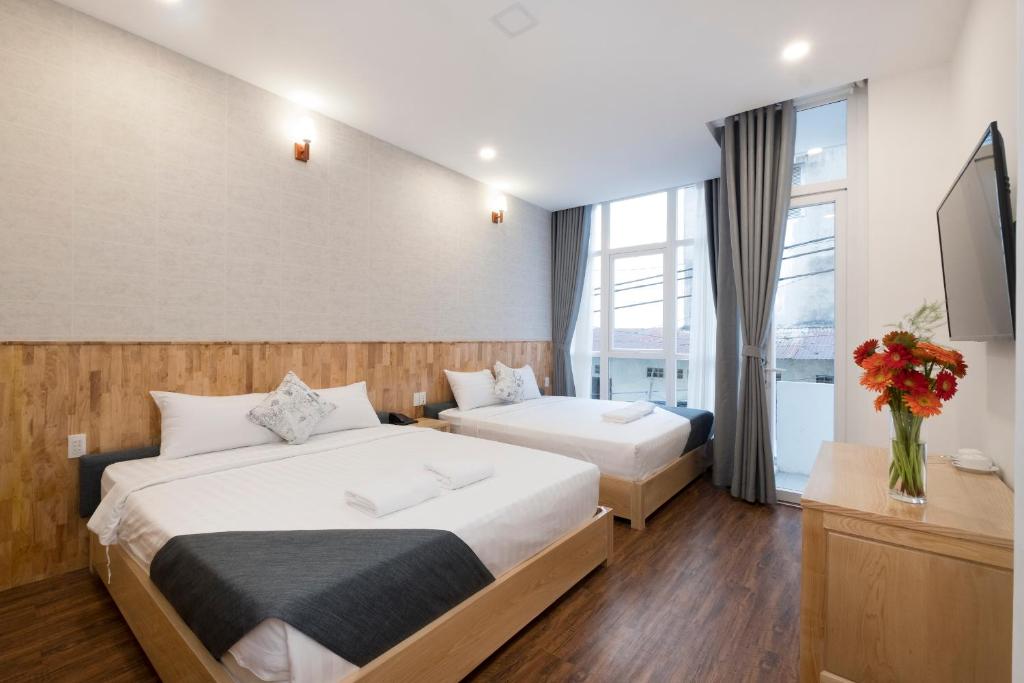


Browse All Photos on Booking.com →
This post contains affiliate links. We may earn a commission at no extra cost to you.
How many days do you need in Ho Chi Minh City?
3-4 days covers the District 1 museums and sights, a market visit, the coffee scene, and one day trip (Cu Chi or Mekong Delta). 5-7 days lets you add Cho Lon, more day trips, explore District 3, and really get into the food scene. Most visitors wish they’d booked an extra day.
What is Ho Chi Minh City best known for?
The War Remnants Museum (one of the most visited museums in Southeast Asia), street food culture (pho, banh mi, com tam), the Reunification Palace, French colonial architecture, coffee culture (ca phe sua da), and the energy of a city with 10 million people and 9 million motorbikes. The Cu Chi Tunnels and Mekong Delta are the top day trips.
Is the War Remnants Museum worth visiting?
Yes. It’s the most impactful attraction in the city and provides essential context for understanding Vietnam. Entry is 40,000 VND ($1.60 USD). Allow at least 2 hours. The exhibits on Agent Orange and the photojournalism collection are particularly powerful. It’s heavy but important.
What is the best market in Ho Chi Minh City?
Ben Thanh Market is the most famous and most central (District 1). Binh Tay Market in Cho Lon (District 5) is the more authentic wholesale market with better prices. Tan Dinh Market near the pink church in District 3 is good for food. For souvenirs, Ben Thanh is convenient; for the real market experience, take a Grab to Binh Tay.
Where can I get the best coffee in Ho Chi Minh City?
For the local experience, sit at any sidewalk stall and order ca phe sua da (15,000-25,000 VND). For atmosphere, try the Cafe Apartment at 42 Nguyen Hue. For specialty coffee, Workshop Coffee on Ngo Duc Ke Street. For egg coffee, most tourist-area cafes serve a decent version for 35,000-55,000 VND.
Are rooftop bars expensive in Ho Chi Minh City?
By international standards, no. Cocktails at top rooftop bars (Saigon Saigon, Chill Skybar) cost 180,000-300,000 VND ($7-12 USD). Compare that to Bangkok or Singapore where the same drink costs $15-25. Beer on Bui Vien backpacker street starts at 10,000 VND ($0.40). The price gap between street bars and rooftop bars is large by local standards but both are affordable for international visitors.
What can I skip in Ho Chi Minh City?
The Notre-Dame Cathedral interior is closed for renovation (the exterior is still worth seeing). The Cu Chi Tunnels shooting range is skippable unless you’re specifically interested. Dinner cruises on the Saigon River are overpriced for what they offer. Cyclo tours around District 1 are pricey – you’ll see the same things on foot for free. The Water Puppet Theatre is more of a Hanoi tradition.
Is Cho Lon (Chinatown) worth visiting?
Yes. Thien Hau Temple, Binh Tay Market, and the Chinese-Vietnamese food scene make it a worthwhile half-day trip. It’s 15 minutes by Grab from District 1 (30,000-50,000 VND). The area feels different from the rest of Saigon – more temples, traditional medicine shops, and a distinct energy. Go in the morning when the market is at its peak.